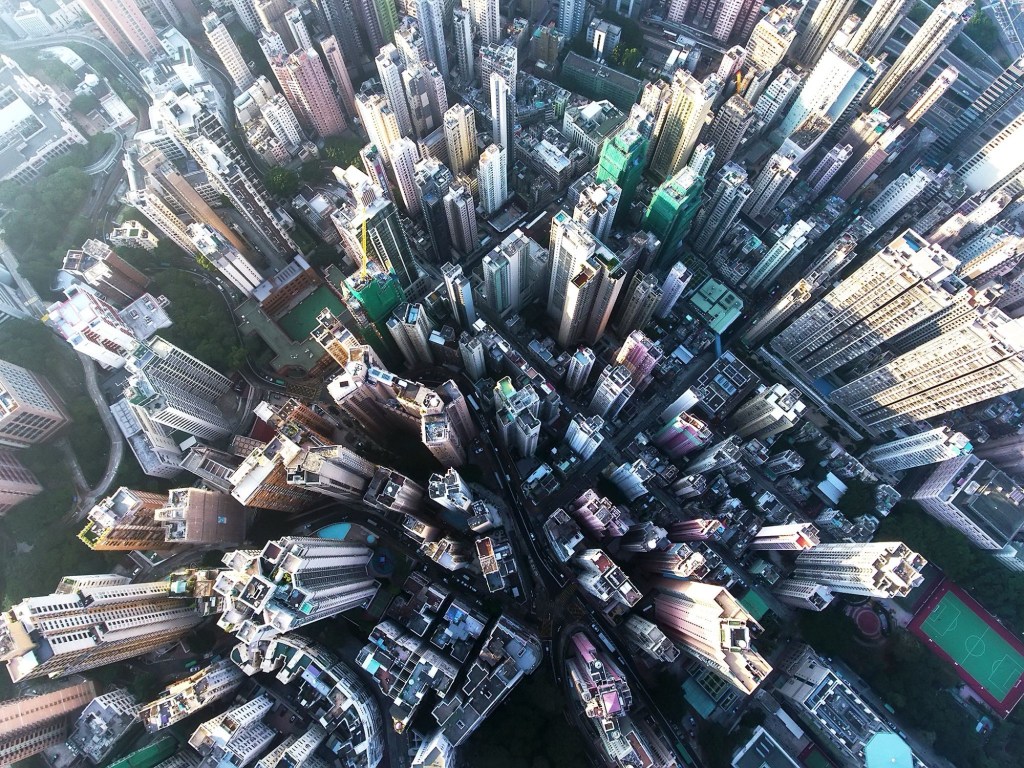
There’s a strange moment that happens when you spend hours building a city—whether in a game or in your mind.
At some point, you stop thinking like a player… and start thinking like a planner.
You begin to see patterns. Systems. Connections. You realize that a city isn’t just something you look at—it’s something that functions.
And once you see that, you can’t unsee it.
The Illusion of Simplicity
From the outside, cities look simple.
Buildings go up. Roads connect them. People move through space. But once you start building—even in a simulation—you realize how quickly things become complicated.
A single decision can ripple outward:
Add a road, and traffic shifts. Build housing, and demand changes. Move industry, and land values react
Nothing exists in isolation.
Everything is connected.
The Problem With Growth
Growth feels good—at first.
You expand, fill in empty land, and watch your city come alive. But then something changes. The systems start to strain.
Traffic builds. Services fall behind. Parts of the city feel disconnected.
What once felt like progress starts to feel like pressure.
And that’s when you learn the most important lesson:
Growth without structure doesn’t work.
The Need for Structure
Every successful city—real or simulated—eventually finds its structure.
Not just roads and zoning, but hierarchy:
Main routes vs. local streets Downtown vs. neighborhoods, Industry vs. residential.
When everything tries to do everything, nothing works well.
But when each part of the city has a role, things start to flow.
Seeing Real Cities Differently
Once you’ve experienced this, real cities start to look different.
Walking through Houston, you might notice:
Why certain roads are always congested. Why some areas feel vibrant and others feel empty. How development clusters instead of spreading evenly.
You start to understand that cities aren’t random.
They’re the result of thousands of decisions—some intentional, some accidental—all layered over time.
The Beauty of Imperfection
No city is perfect.
Even the most well-planned places have flaws—traffic bottlenecks, uneven development, areas that never quite connect the way they should.
But that imperfection is part of what makes cities feel real.
They evolve. They adapt. They respond to pressure in ways that aren’t always predictable.
And sometimes, the most interesting parts of a city come from the things that didn’t go according to plan.
Final Thoughts
Building a city—whether digitally or physically—isn’t about creating something flawless.
It’s about understanding how systems interact. How decisions shape outcomes. How small changes can have big effects.
And once you understand that, you start to see cities not just as places…
…but as living systems.
Systems that you can learn from, shape, and maybe even improve—one decision at a time.


 CityStories
Leave a comment