
Strength
In simplicity
An architectural style that emerged in the mid-20s is based in brute and unadorned use of concrete.
Named by the French term béton brut, or brute concrete, Brutalism became popular in the post-WWII era, when the need for affordable housing and public buildings led to the widespread use of concrete.
Brutalists are celebrated FOR their geometric forms and the use of concrete
Le Corbusier
Charles-Édouard Jeanneret, known as Le Corbusier, was a Swiss-French architect, designer, painter, urban planner, writer, and one of the pioneers of what is now regarded as modern architecture.
Alison and Peter Smithson
Alison M. Smithson and Peter D. Smithson were English architects who formed an architectural partnership and are associated with Brutalism, especially in architectural and urban theory.
Louis Kahn
Louis Isadore Kahn was an Estonian-born American architect based in Philadelphia. After working in various capacities for several firms in Philadelphia, he founded his own atelier in 1935.
⊕
Six most appreciated Brutalist buildings
Brutalism was also influenced by Bauhaus school, which emphasized functionalism and simplicity in design.
-
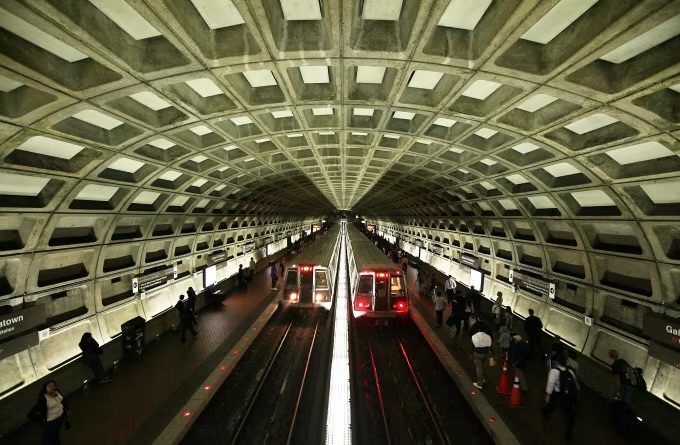
The Cities That Built Me
For me, cities have always been more than places on a map. They have been the backdrop of my life and the inspiration behind the way I think, create, and imagine the world. My story began in Conroe, a city just north of Houston. Growing up there gave me my first sense of Texas life…
-
Building a City, Understanding a City
There’s a strange moment that happens when you spend hours building a city—whether in a game or in your mind. At some point, you stop thinking like a player… and start thinking like a planner. You begin to see patterns. Systems. Connections. You realize that a city isn’t just something you look at—it’s something that…
-
The City at Night: When Everything Feels Possible
There’s a version of the city that only exists after dark. It’s not the one you see in the morning rush or the afternoon crowds. It’s quieter, but somehow more alive. The lights take over. The noise softens into a rhythm. And the city begins to feel… infinite. Night doesn’t just change how a city…
-
Walking the City: What It Feels Like to Move Through a Big City on Foot
There’s a moment in every big city when the world flips from noise to rhythm — when the chaos becomes a kind of music. You feel it most clearly when you’re walking. Not driving. Not riding. Walking. Moving down the sidewalk with nothing between you and the pulse of the city but the soles of…

